
The island
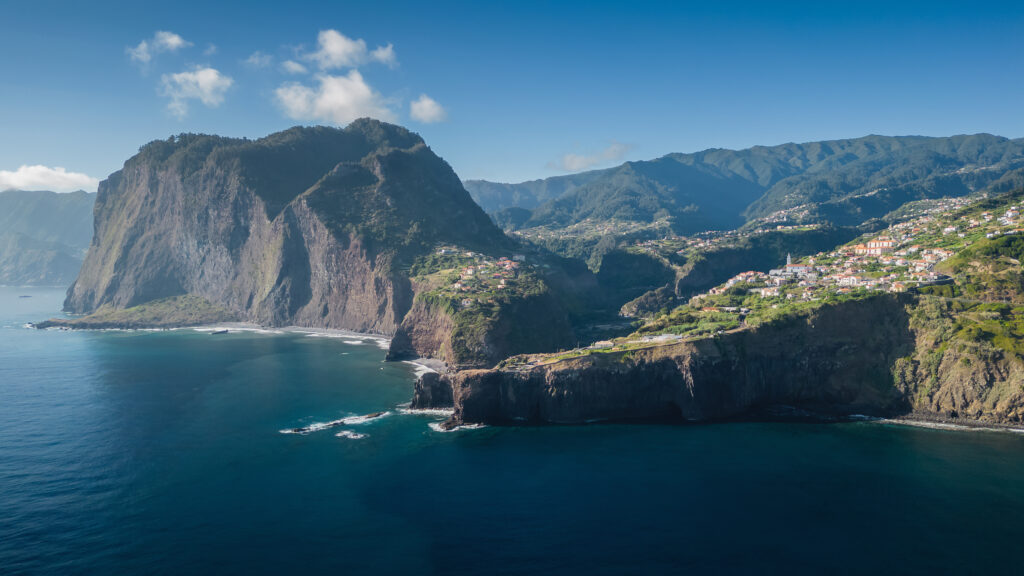
Madeira is a Portuguese archipelago in the Atlantic Ocean, around 1,000 km southwest of mainland Portugal and just off the coast of Morocco. The island is famous for its dramatic volcanic landscape: steep mountains, deep valleys, and a coastline of towering cliffs. Its subtropical climate keeps things mild year-round, making it a popular destination in every season.
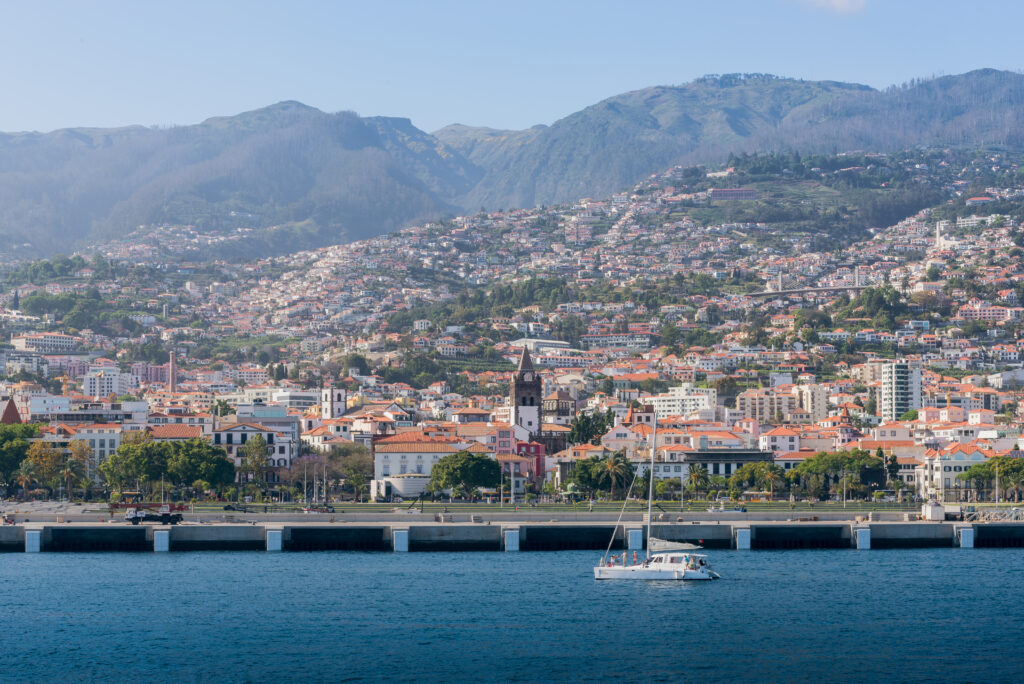
Funchal, the capital, is a lively coastal city built into the hillside, blending historic architecture with a modern harbor front. Beyond the city, Madeira offers levada walks (irrigation channel trails), the peaks of Pico Ruivo and Pico do Arieiro, and the laurel forest of Laurissilva, a UNESCO World Heritage Site.
The food
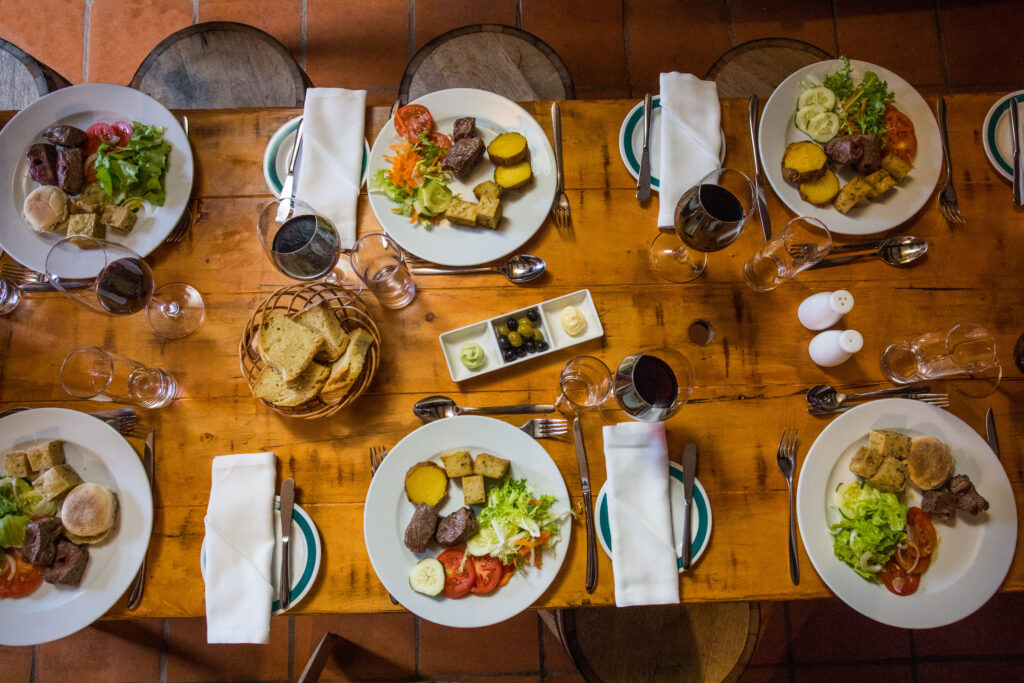
Madeiran cuisine reflects the island’s Atlantic setting and volcanic soil. Fresh fish and seafood are staples, especially espada (black scabbardfish), often served with banana. Espetada, skewers of beef grilled over laurel wood, is a classic dish typically shared at the table. Bolo do caco, a round bread cooked on a hot stone and served with garlic butter, is a local favourite found everywhere from street stalls to restaurants.
No visit is complete without trying Madeira wine, a fortified wine with centuries of history, ranging from dry to sweet styles. Poncha, a traditional drink made with local rum (aguardente), honey, and citrus, is another island staple worth sampling.

Customs & Traditions
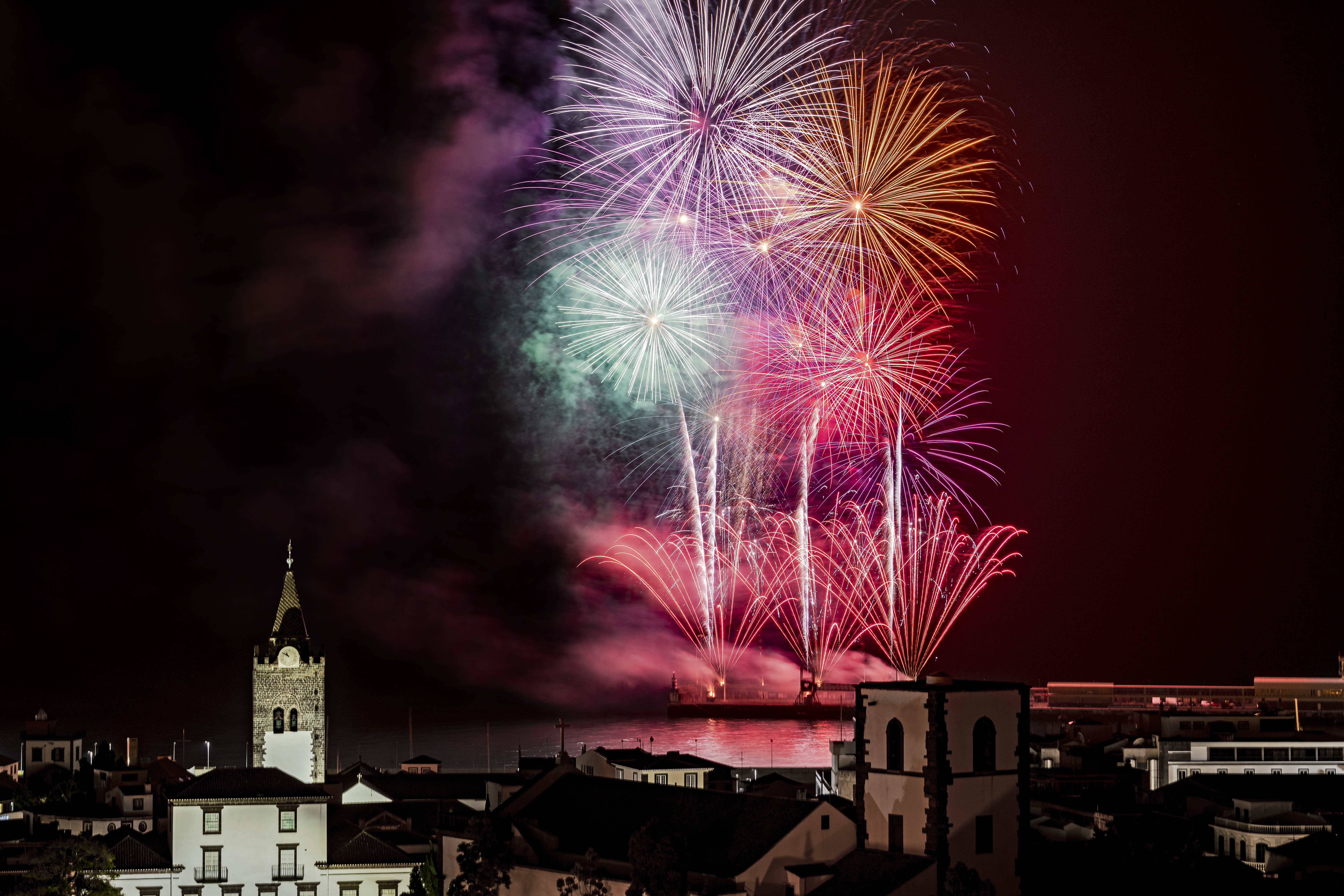
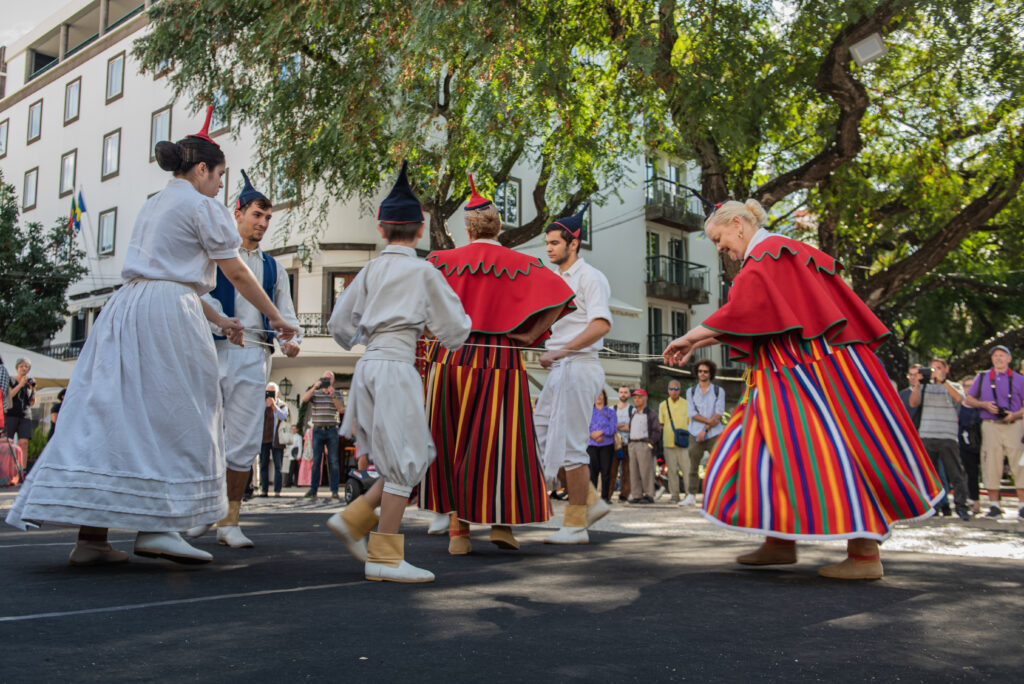
Madeira’s culture is shaped by its maritime history and strong community traditions. Festivals play a major role in island life, most notably the Madeira Flower Festival in spring and the New Year’s Eve fireworks display in Funchal, one of the largest in the world. Carnival is also celebrated with colourful parades and music.
Local craftsmanship remains important, particularly embroidery (Bordado da Madeira) and wickerwork from the village of Camacha. Folk music and traditional dance, accompanied by instruments like the braguinha (a small ancestor of the ukulele), continue to be part of local celebrations and cultural events.
Want to know more?
For more information on Madeira, including things to do, itineraries, and travel tips, visit the official tourism board’s website: www.visitmadeira.com/en/